Most visits to Nusa Penida pass without incident. But the island’s beauty comes from the same things that make it risky: high cliffs, steep paths, open-ocean swells and narrow roads. Visitors have been injured and killed at some of the famous sights, on the roads and in the sea. A few simple precautions make a big difference.
Kelingking Beach: the path down
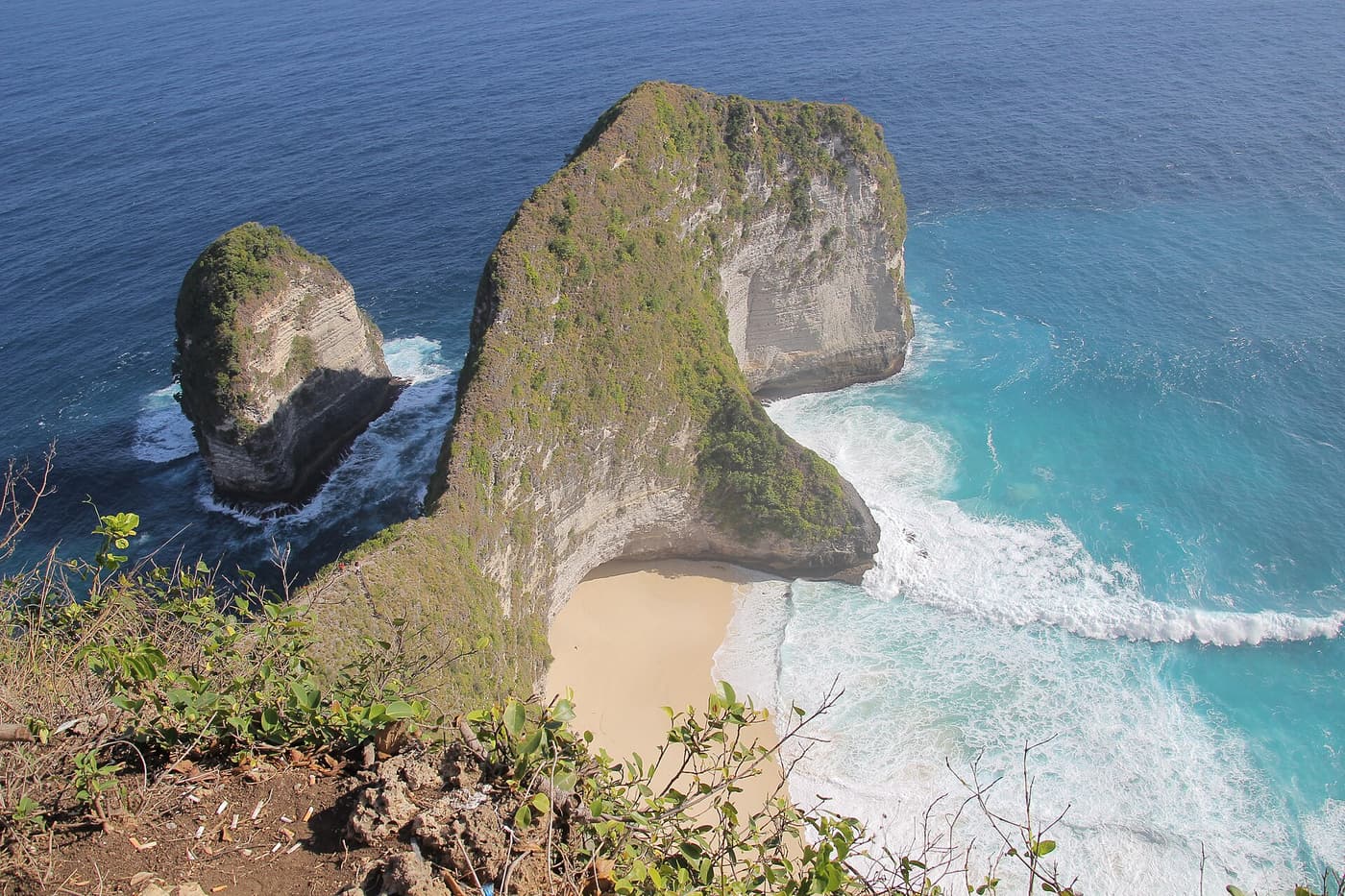
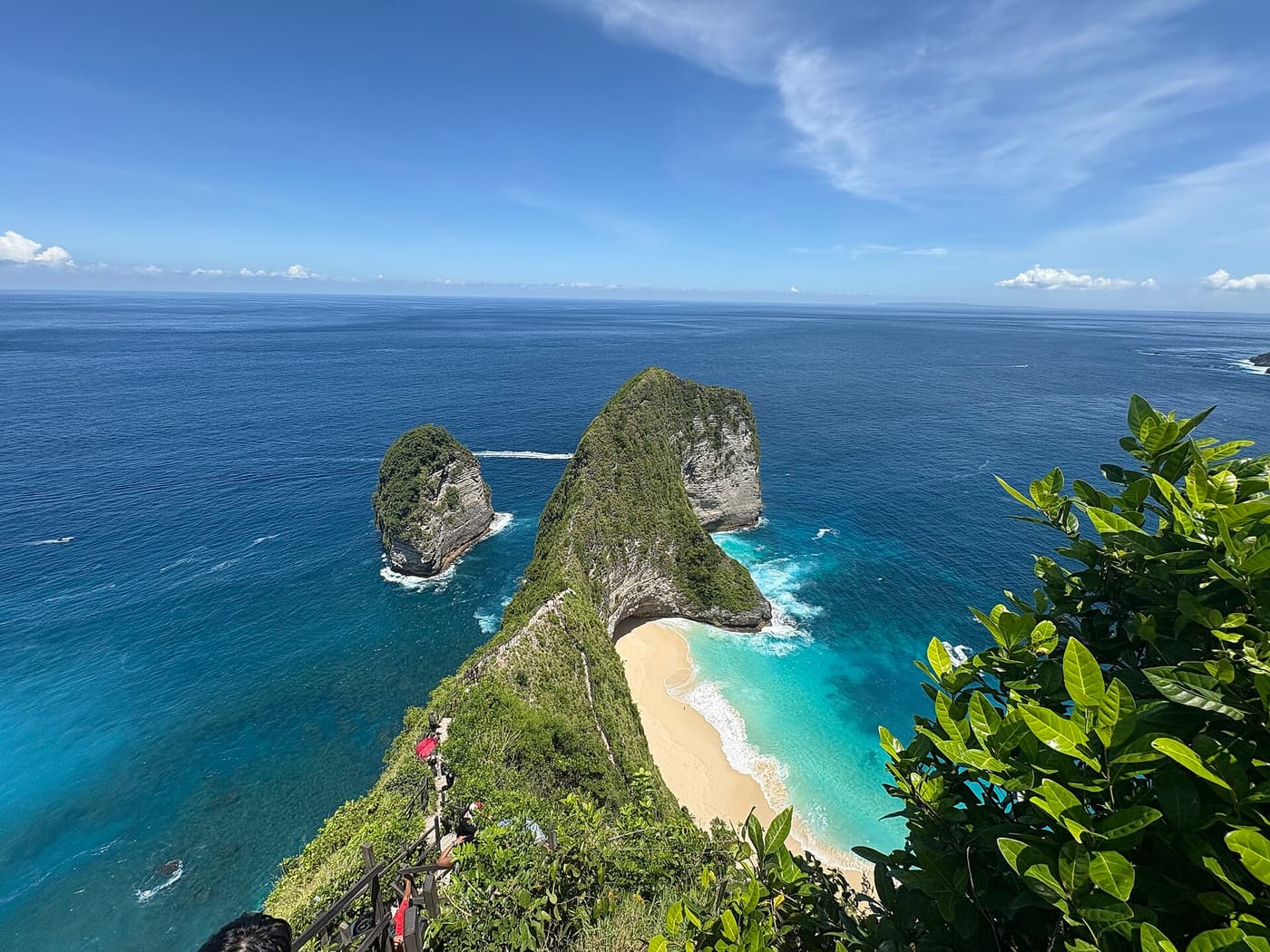
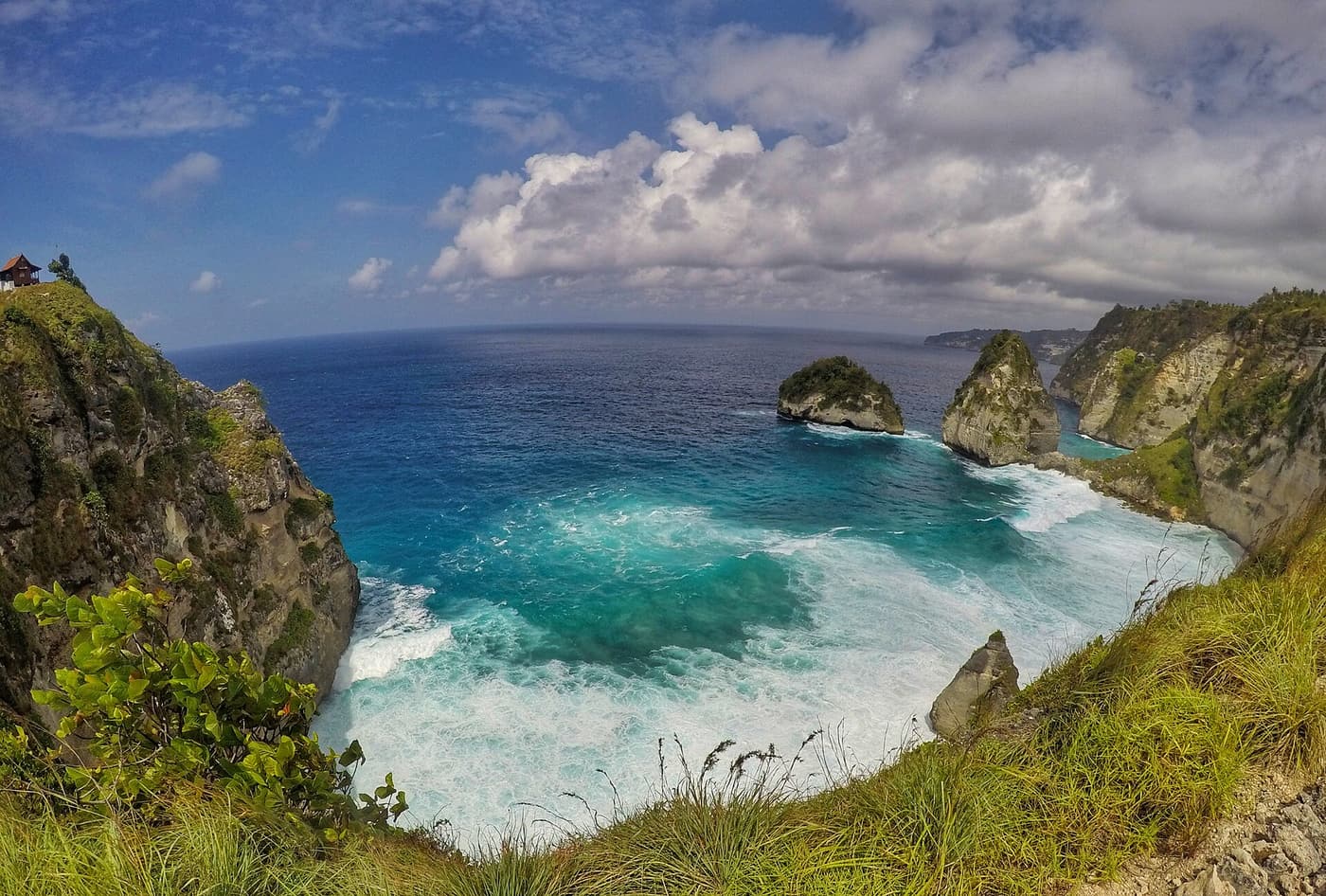
The viewpoint at the top is easily reached. The path down to the beach is another matter: it runs steeply down the spine of the headland, over rock, dirt and makeshift steps, with bamboo or wooden railings in places and big drops on either side. Allow well over an hour for the round trip, more in the heat.
- Go only if you are fit and sure-footed, in shoes with good grip — never in flip-flops.
- Avoid it after rain, when the surface is slippery, and in the midday heat.
- Carry water and let faster people pass at wide points.
- At the bottom, the waves are powerful and there are strong currents. Swimming is dangerous; paddle at most, and only when it is calm.
- Plans to build a lift or other structures on the cliff have been controversial; check the current situation locally, and follow any closures or instructions.
Angel’s Billabong: the swell
This natural rock pool sits right at the ocean’s edge. When the tide is low and the sea is calm it looks inviting, but larger waves can sweep over the rocks without warning and drag people into the sea. Visitors have died here. Admire it from the viewing area, enter the pool only if local guards or signs allow it and the sea is very calm, and never turn your back to the ocean.
Swimming, snorkelling and the sea
- Many beaches, including Kelingking, Diamond Beach and Atuh, have strong waves and rip currents. Swim only in calm conditions, close to shore, and never alone.
- Crystal Bay is usually the gentlest swimming beach, but currents can be strong beyond the bay.
- On snorkel trips, wear the life jacket if you are unsure and stay with your guide.
- On boat crossings, wear a life jacket if offered and keep valuables in a dry bag.
 Day trip from €29
Bali/Nusa Penida: East & West Highlights Full-Day Tour
The island’s most-reviewed day tour, with options from Bali (pick-up and fast boat) or from Nusa Penida itself, and optional add-ons such as the Molenteng tree house.
- Choose West, East or both coasts
- Kelingking, Broken Beach and Angel’s Billabong
- Diamond Beach and Atuh on the East option
 Private day trip from €89
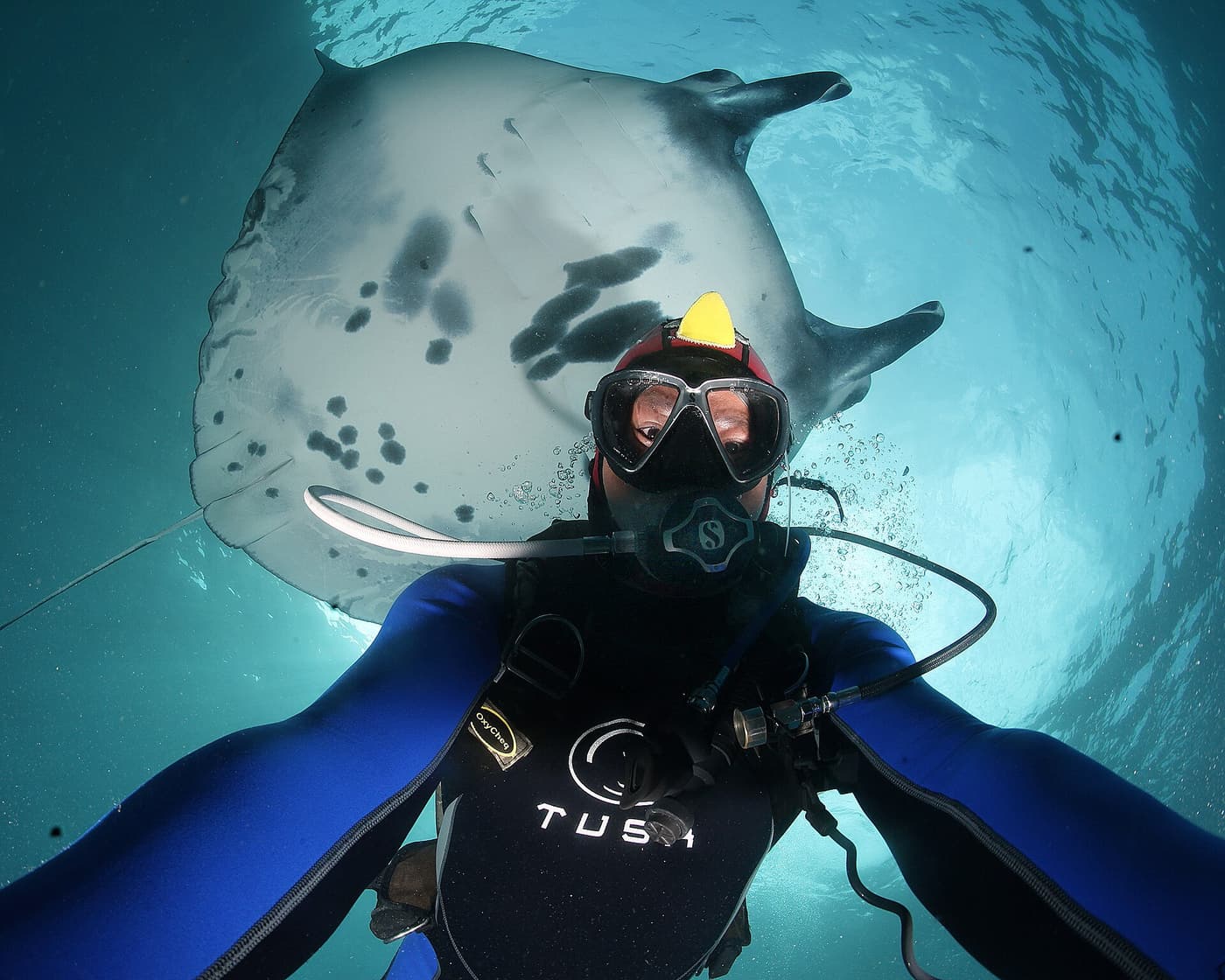
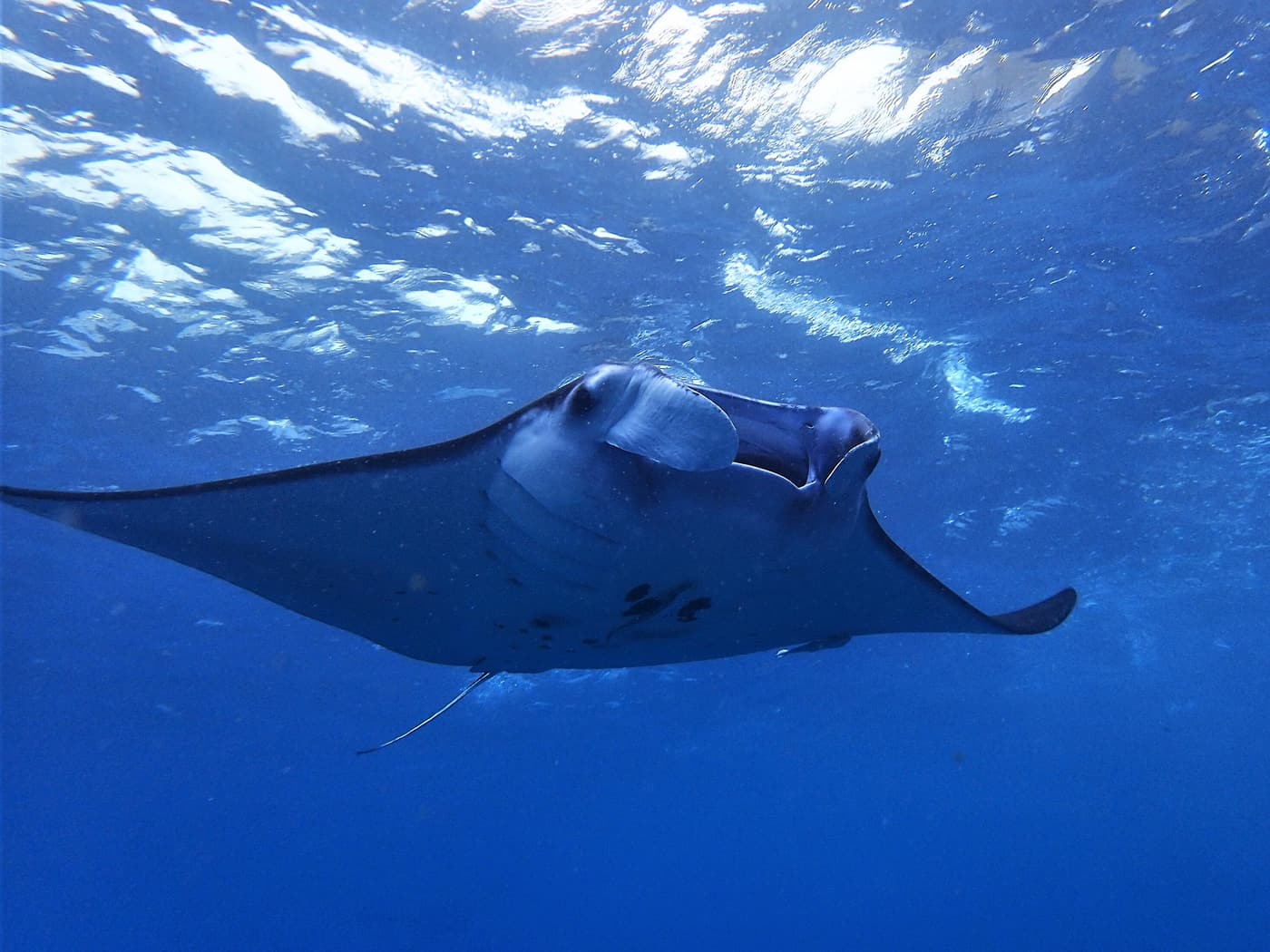
Bali: Nusa Penida Private Snorkeling, Manta Rays & Land Tour
One of the highest-rated trips to the island: your own boat, manta snorkelling, a relaxed lunch and the Kelingking viewpoint.
- Exclusive boat from Sanur
- Snorkel at Manta Bay, Manta Point or Secret Bay
- Lunch with an infinity pool, then Kelingking
 Premium boat from €81
Bali: Premium Yacht Nusa Penida Manta Snorkeling & Land Tour
A comfortable premium-boat day with manta snorkelling, the Kelingking viewpoint and time to relax at a beach club with views of Mount Agung.
- Cruise on a premium yacht
- Snorkel with manta rays
- Kelingking and a beach-club lunch with pool
 Private driver from €28
Nusa Penida: Private Car with Driver & Optional Fastboat Tickets
A private driver meets you at the harbour or in Sanur; you choose the beaches and the pace.
- Your own car and driver
- Flexible route
- Optional fast-boat tickets
Roads and scooters
The roads have improved greatly, but many are still narrow, steep and winding, with potholes, loose gravel, blind corners and heavy tour traffic at the famous stops. Scooter accidents involving visitors are common, and medical facilities on the island are basic.
- Unless you are an experienced rider, hire a car with a driver or join a tour.
- If you ride, you need a licence valid for motorcycles (and an International Driving Permit where required), a helmet, and travel insurance that covers riding — many policies do not otherwise.
- Avoid riding in the rain or after dark, and do not drink and ride.
Heat, sun and health
Midday heat on exposed clifftops is intense. Drink plenty of water, wear a hat and sunscreen, and plan descents for the cooler hours. Clinics on the island handle minor problems; serious cases are taken to Bali, so have insurance that covers medical evacuation.
Levies and fees
- Bali tourist levy: foreign visitors entering Bali pay a one-off levy — IDR 150,000 per person at the time of writing — usually online through the official Love Bali system before or on arrival. Keep the proof of payment.
- Nusa Penida visitor fee: the regency of Klungkung collects a small fee from visitors to the Nusa islands, usually at the harbour on arrival. Some tours and boat tickets include it.
- Sight and parking fees: many beaches and viewpoints charge small entrance or parking fees, usually a few thousand to a few tens of thousands of rupiah. Tours usually cover these.
Amounts and collection methods change; check current rules before you travel and pay only official collectors who issue a ticket.
Emergency numbers
Indonesia’s general emergency number is 112. Save your hotel’s and your tour operator’s phone numbers before you set out.